
What are the most Effective Marketing Strategies for Small Businesses?
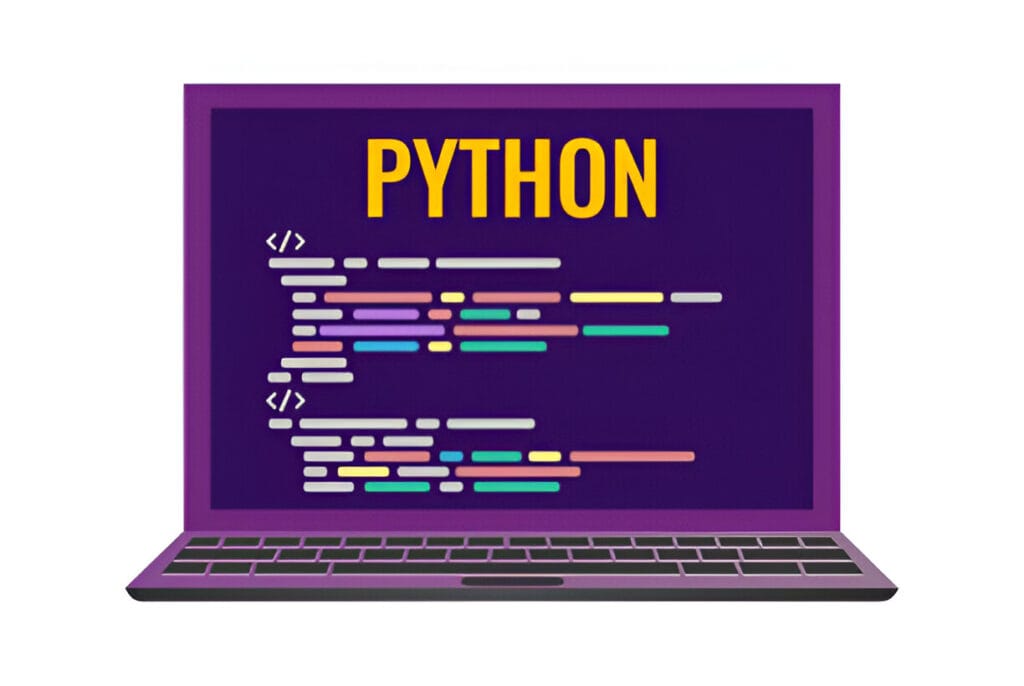
Welcome to our in-depth guide on Python programming! This tutorial is perfect for both newbies and those with some coding skills. You’ll learn the basics of Python, a language used in software development, data analysis, and automation.
You’ll cover key topics like Python’s syntax, data types, control structures, and functions. By the end, you’ll know Python well and be ready for many programming tasks.
Python is a popular programming language known for its simplicity and wide use. It’s great for both beginners and experienced developers. It’s perfect for web development, data analysis, machine learning, or scripting. Learning Python can open many doors.
Guido van Rossum created Python in the late 1980s. It’s an interpreted, object-oriented language that focuses on readability. Its clean syntax makes it ideal for quick prototyping and development.
Why learn Python? It offers many benefits, including:
Learning Python is valuable for web development, data analysis, or artificial intelligence. It’s a smart choice for your career and personal growth.
Before starting with Python programming, setting up your environment is key. This means installing Python and checking out IDEs and tools to improve your coding. It’s all about getting ready to dive into the world of Python.
The first thing to do is install Python on your computer. Python works on Windows, macOS, and Linux. You can get the latest version from the official Python website. Just follow the installation guide for your system to set it up right.
After installing Python, it’s time to look at Integrated Development Environments (IDEs) and tools. Some top Python IDEs are:
Each IDE has its own special features. It’s good to try a few to see which fits your style best. There are also Python tools like version control systems, code editors, and deployment platforms to help you work better.
By setting up your Python environment and learning about tools, you’re ready to make great Python apps. Next, we’ll cover the basics of Python syntax and data types.
Exploring Python programming means learning its basics. Python’s easy syntax is great for both newbies and pros. It’s simple and clear.
Python’s heart is its variables. They hold different data types like numbers, text, or complex structures. Assigning a value to a variable is easy with the assignment operator (=).
Python also has expressions. These mix values, variables, and operators to give results. They help with simple math to complex logic.
Knowing python syntax and python data types is crucial. It sets the stage for your Python journey. As you delve deeper, you’ll see how these elements can build robust applications.
Learning python control flow and loop structures is key to becoming a skilled Python programmer. These concepts help you write code that can make decisions and repeat tasks. This makes your programs more dynamic and adaptable.
The python if-else statement is a basic control flow tool. It lets your code check a condition and do different things based on it. With python if-else, you can handle complex situations in your code.
Python also has two main loop types: the python for loop and the python while loop. The python for loop is great for going through lists, tuples, or strings. It makes doing the same thing over and over easier. The python while loop is for when you need to keep doing something until a certain condition is met.
“Loops are the heartbeat of programming, allowing your code to adapt and thrive in dynamic environments.”
By getting good at python control flow and loops, you’ll be able to make strong, flexible, and smart programs. These skills are the base for exploring more of Python programming.
Learning to create custom functions and use Python’s module system is key for efficient code. We’ll explore python functions and python modules to boost your Python skills.
Functions are the heart of Python, making code reusable and organized. You’ll learn to make your own functions, handle arguments, and return values. This will make your Python scripts more flexible and easy to maintain.
The Python standard library is full of useful tools. Learning to python import and use these python modules will save you time. We’ll cover different ways to import and use modules, from simple to advanced methods. By the end, you’ll know how to use Python’s vast library to its fullest.
Python FunctionsPython Modules
“Functions and modules are the fundamental building blocks of any Python program. Mastering their usage will unlock new levels of code organization, reusability, and extensibility.”
By the end of this section, you’ll know how to use python functions and python modules to improve your Python apps. Get ready to elevate your Python skills!
“The power of Python lies in its ability to handle complex data structures with ease. Mastering lists, tuples, and dictionaries is the key to unlocking the full potential of this versatile language.”
Python is more than just coding. It’s also great for managing files and handling errors. Learning python file handling and python exception handling helps developers make better apps.
Working with files in Python is key. The python read file and python write file functions make it easy. You can get data from files or create new ones.
To read a file, use open() and read(). To write, open in write mode and use write(). These steps help you manage files well.
Python is a versatile language that supports various programming paradigms, including Object-Oriented Programming (OOP). python oop is a key concept for creating complex and scalable applications. It organizes code into python classes and python objects.
At the heart of python oop are python classes, which act as blueprints for python objects. These objects hold data and behavior, making it easier to model real-world entities and their interactions. python inheritance is also vital, allowing you to create new classes from existing ones, inheriting their properties and methods.
By understanding python oop, you’ll write more organized, maintainable, and scalable code. You’ll learn to create classes, define objects, and grasp concepts like encapsulation, polymorphism, and abstraction. These are crucial for building complex Python applications.
ConceptDescription
Mastering python oop gives you the skills to build robust, extensible, and maintainable Python applications. You’ll write code that’s not just efficient but also easy to understand and work on.
Python Libraries and Frameworks
As a Python programmer, you’ll find a huge and lively world of libraries and frameworks. These tools make your work easier and let you build complex apps with less effort.
Python is known for its vast library collection. It covers everything from math to data display. Some top python libraries include:
Python also has strong python frameworks for web apps and more. Two big ones are:
These are just a few of the many python ecosystem tools. As you keep learning Python, you’ll find even more to help you build amazing things.
Python is now a key player in making data-driven decisions. It’s great for analyzing and visualizing data. Thanks to libraries like Pandas and Matplotlib, data experts can work with data in new ways.
The Pandas library is a big deal for data analysis in Python. It makes it easy to handle different types of data. You can import, clean, and analyze data quickly, all while keeping things simple.
Matplotlib is the top choice for visualizing data in Python. It lets you create all sorts of plots, from simple to complex. With Matplotlib, you can turn data into stories that help make decisions.
Working with big datasets or finding trends is easier with Python. It helps you find important insights and share them in a way that matters.
Learning python pandas and python matplotlib will make you a data expert. You’ll be able to make data into something that’s not only beautiful but also useful.
In this final section, we’ll explore python web development. Python is gaining popularity for web development. It’s known for its simplicity, flexibility, and strong capabilities. We’ll look at Python web frameworks and how to use Python to create dynamic web applications.
Python’s big advantage in web development is its web frameworks. Two top python web frameworks are Flask and Django. These frameworks help developers build web apps efficiently, focusing on the app’s core rather than the tech behind it.
Flask and Django are solid bases for python web development. They help developers make secure, scalable, and easy-to-maintain web apps.
Choosing between Flask and Django depends on your project’s needs and your preferences. Both frameworks are great for building web apps with Python. Learning either will help you create engaging web experiences.
“Python’s simplicity and versatility make it an excellent choice for web development, and the availability of powerful frameworks like Flask and Django further enhance its appeal.”
As we wrap up this Python tutorial, you now know a lot about this powerful language. You’ve learned the basics of Python programming and seen its many uses. You’re ready to explore all the things you can do with Python.
If you want to start learning Python or improve your skills, this guide is a great start. Python is easy to use, flexible, and has lots of libraries and frameworks. It’s perfect for many projects, like data analysis, web development, and automation.
Using Python can open doors to great careers in software engineering, data science, and more. As you keep learning and growing in your Python career, always be curious and open to new things. Python is always changing, and so should you.
Python is a versatile programming language. It’s used for web development, data analysis, and more. It’s easy to read and has a big library, making it great for all levels.
First, download Python from the official website. It’s free. Then, check out PyCharm, Visual Studio Code, or Spyder for a better coding experience.
Python’s syntax is clean and easy. It has variables, expressions, and control structures. It also has many data types like integers and strings. Knowing these is key to writing good Python code.
Python has if-else statements and loops for making decisions and repeating code. Learning these is important for creating complex programs.
Functions are reusable code blocks in Python. Modules are collections of functions and variables. Knowing how to use them is crucial for creating scalable applications.
Python’s data structures like lists and dictionaries are powerful. You’ll learn to create and use them to make more complex programs.
Python makes it easy to work with files. It also has ways to handle errors and unexpected situations.
Python supports OOP, which helps create complex applications. You’ll learn about classes, objects, and OOP concepts.
Python has many libraries like NumPy and Matplotlib. Learning to use them can boost your programming skills.
Python is great for data analysis and visualization. With libraries like Pandas and Matplotlib, you can work with data effectively.
Python is also good for web development. Frameworks like Flask and Django help build dynamic web applications.
‘’ Please leave your valuable feedback in comments. The team will get back to you within 3 business days.’’
“Fronxx.in specializes in crafting innovative digital solutions, from stunning websites to immersive online experiences, elevating your brand’s presence.”